When building in Minecraft, standard flat stone walls can often feel monotonous and uninspired. Infusing your fortress perimeters with Gothic architecture introduces dramatic verticality, pointed arches, deep shadows, and intricate stonework. However, the real magic happens when nature reclaims these imposing structures.
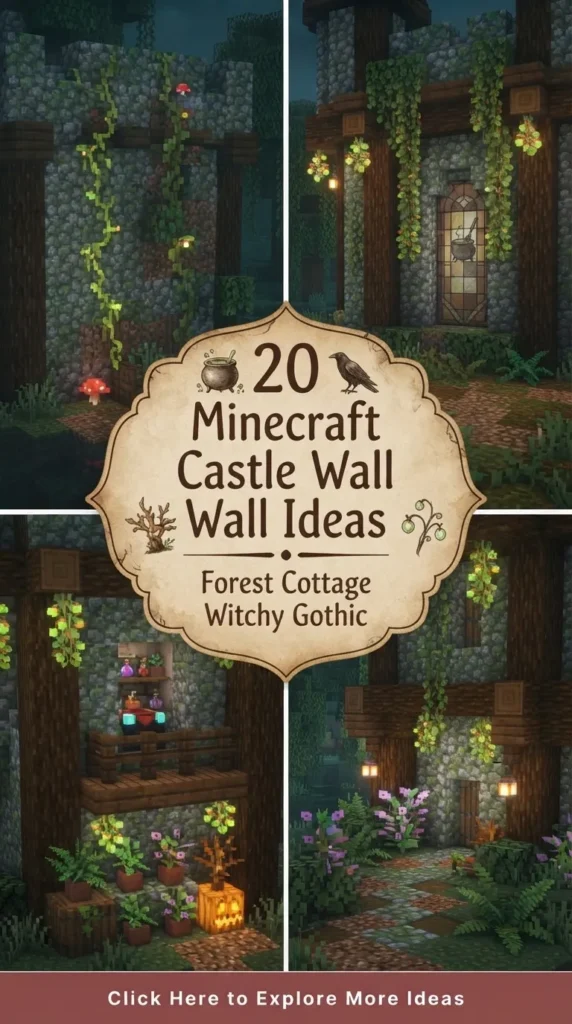
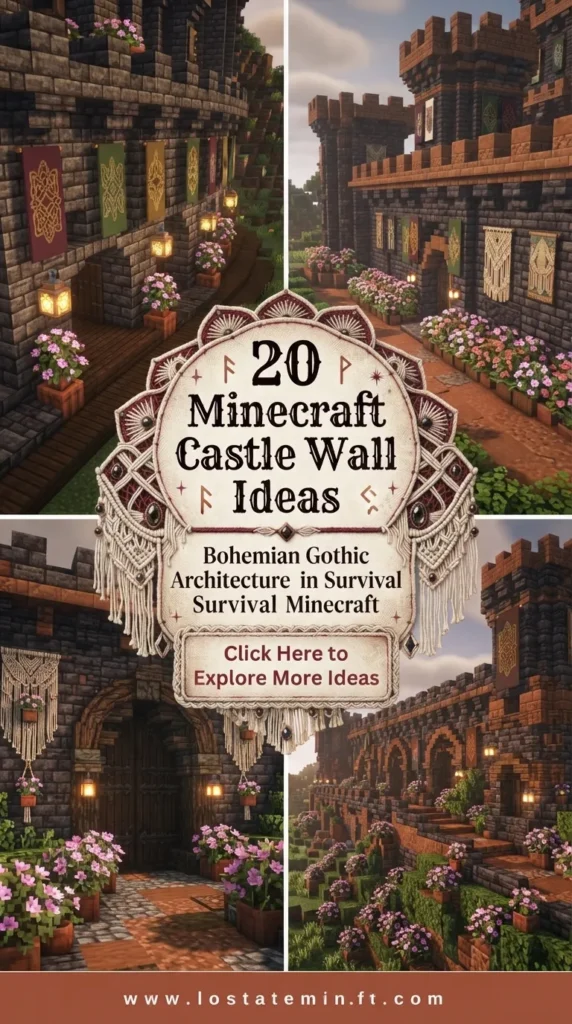
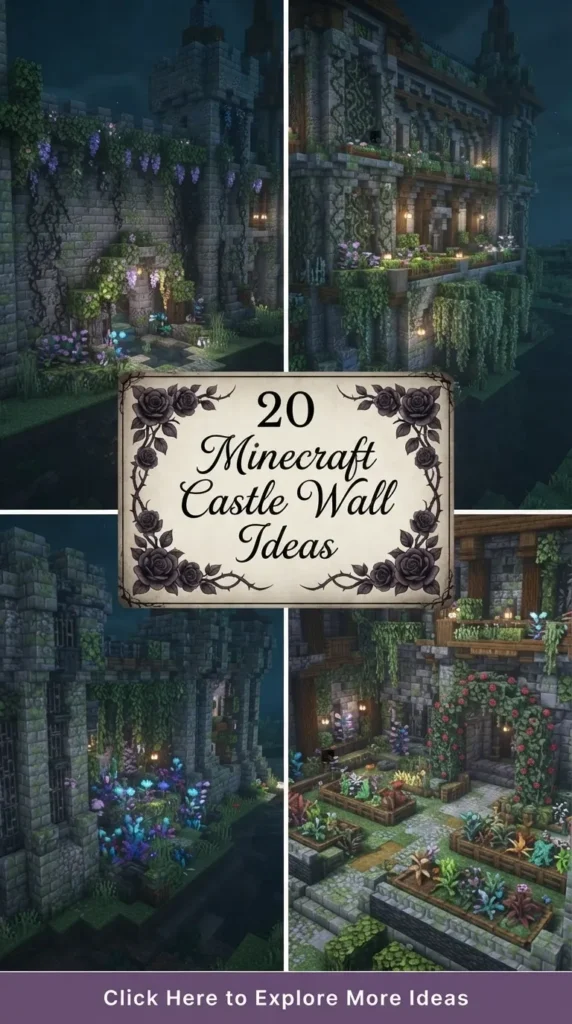
An overgrown Gothic castle wall bridges the gap between ancient historical grandeur and the enchanting mystery of a forgotten fairytale world. By blending mossy textures, crawling vines, weeping flora, and weathered stone variants, you can create a boundary that tells a story of centuries past. Here are 20 elegant Gothic overgrown Minecraft castle wall ideas designed to inspire your survival or creative worlds and perform exceptionally well across Pinterest visual feeds.
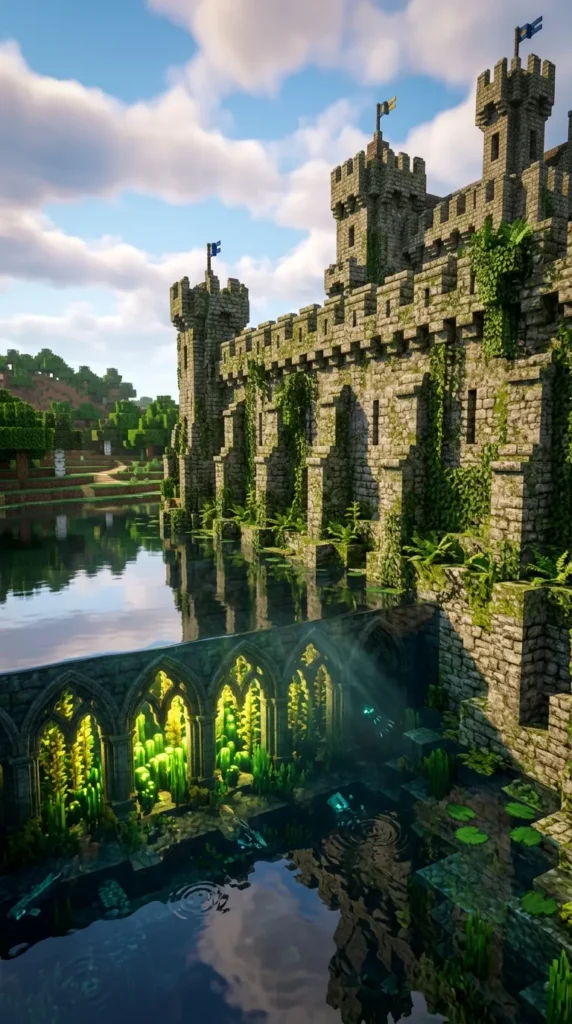
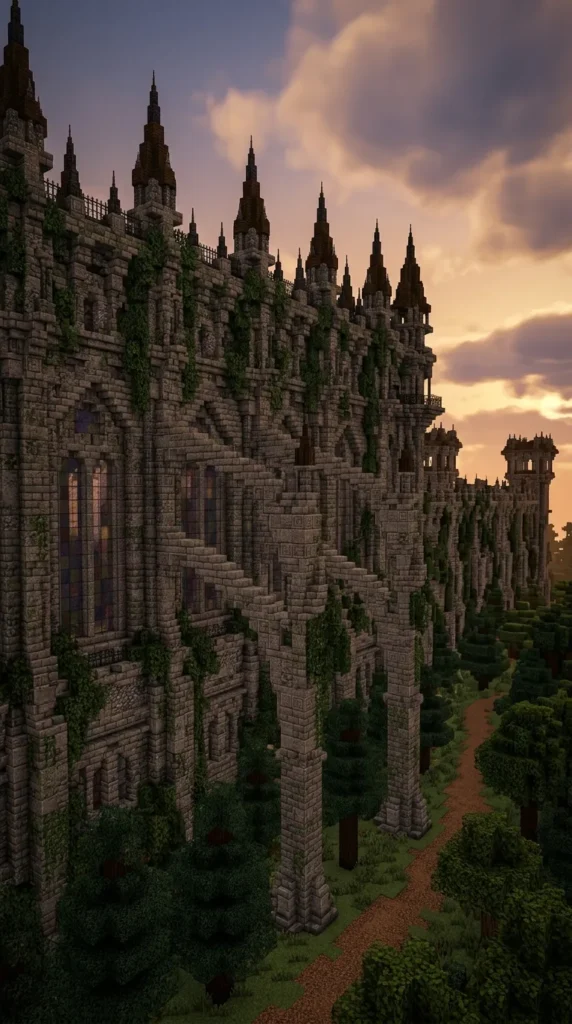
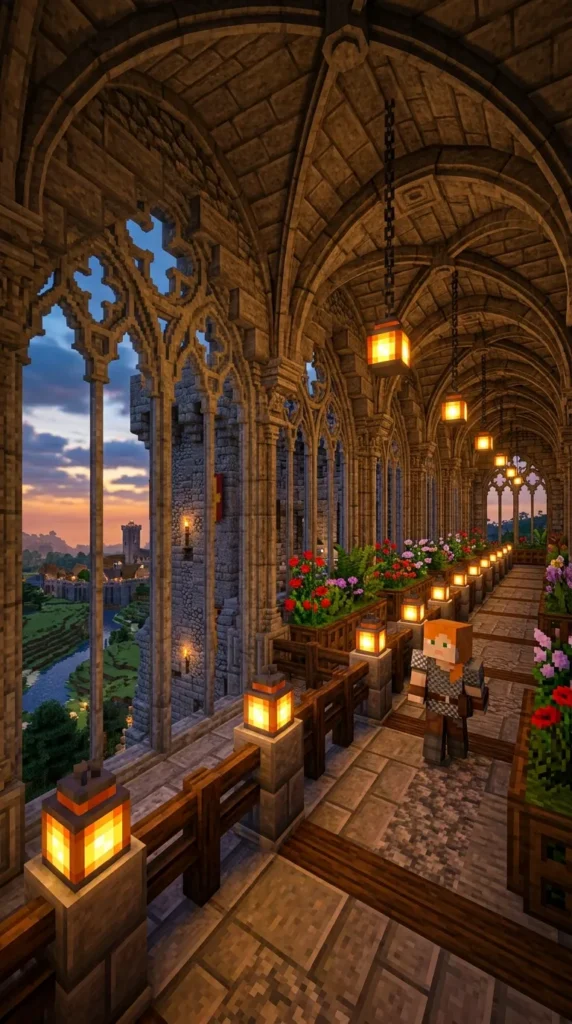
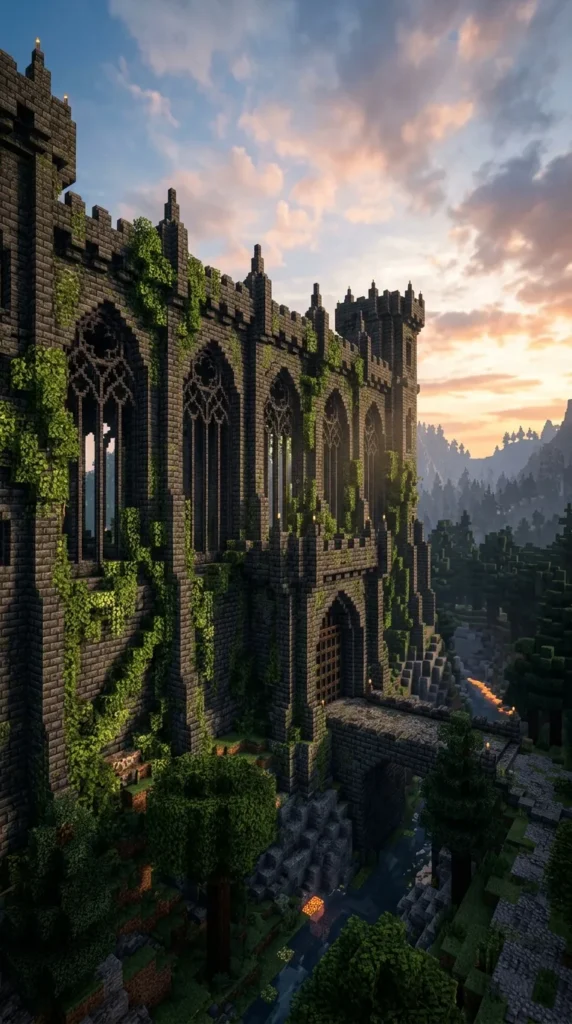
1. Deepslate Lancet Arch Wall Sections with Crawling Ivy
What This Idea Means
A high-contrast wall design featuring tall, narrow pointed arches (lancet arches) constructed from deepslate variants, layered with dense mossy stone and crawling vines that weave through the stonework.
How to Make It
- Base & Frame: Construct a structural grid using polished deepslate pillars spaced 5 to 7 blocks apart. Connect them at the top using deepslate brick stairs to form sharp lancet arches.
- Infill: Fill the inner recessed wall panels with a gradient of cobbled deepslate, deepslate tiles, and mossy stone bricks near the foundation.
- Overgrowth: Place moss blocks at the base and drape natural vines and glow lichen down from the arch apexes.
Tips & Variations
- Replace central wall blocks with iron bars or dark oak fences to simulate narrow arrow slits (loophole windows).
- Blend cracked deepslate bricks near the base to simulate structural weathering over time.
2. Sunken Mossy Buttress Wall Ramparts
What This Idea Means
A heavily reinforced wall design utilizing angled flying buttresses made of mossy stone bricks that extend outward into thick mounds of overgrown vegetation and fallen boulders.
How to Make It
- Main Wall: Raise a 12-block-tall wall out of stone bricks and cracked stone bricks.
- Buttress Arches: Extend diagonal flying buttresses outward every 6 blocks using mossy stone brick stairs and slabs, anchoring them into ground pedestals.
- Foliage Layering: Surround the base of the buttresses with oak leaves, azalea leaves, moss carpets, and coarse dirt mounds.
Tips & Variations
- Place spore blossoms underneath the buttress arches so glowing green particles float down naturally.
- Intermingle mossy cobble walls at the base to look like fallen stonework from crumbling arches.
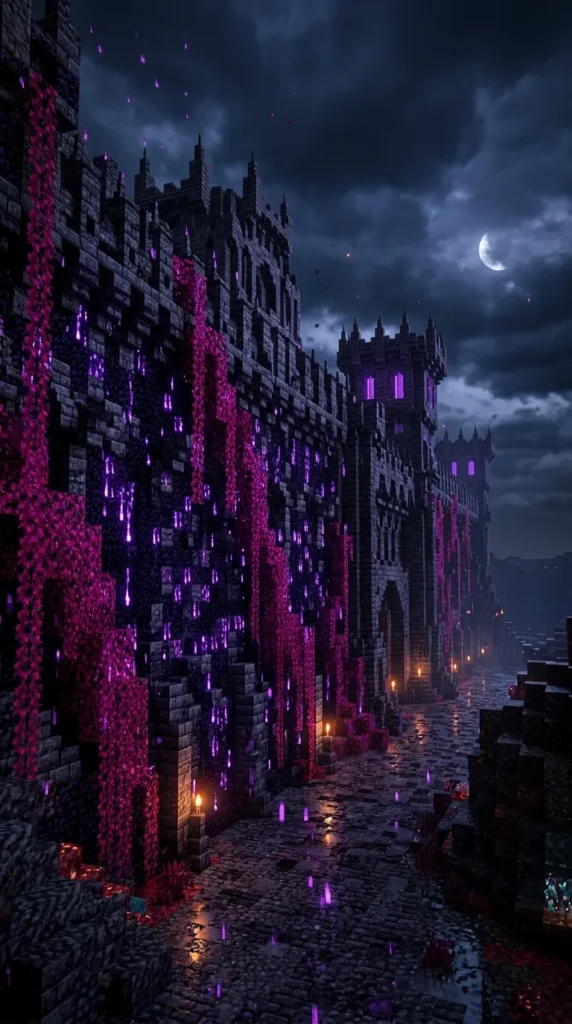
3. Crying Obsidian & Weeping Vine Curtain Wall
What This Idea Means
A dark, supernatural Gothic wall incorporating obsidian and crying obsidian veins, draped with trailing magenta weeping vines and spore blossoms for a dark fantasy aesthetic.
How to Make It
- Material Mix: Build the main wall structure using a blend of polished basalt, obsidian, and crying obsidian blocks.
- Arch Framing: Frame wall bays with polished blackstone brick stairs to maintain a clean Gothic geometry.
- Flora Application: Attach nether wart blocks and weeping vines near the upper parapets, letting the vines trail down over the crying obsidian light sources.
Tips & Variations
- Hide shroomlights behind iron trapdoors inside the wall niches to enhance the eerie magenta glow.
- Swap weeping vines for twisting vines if you prefer a cyan-and-black contrast.
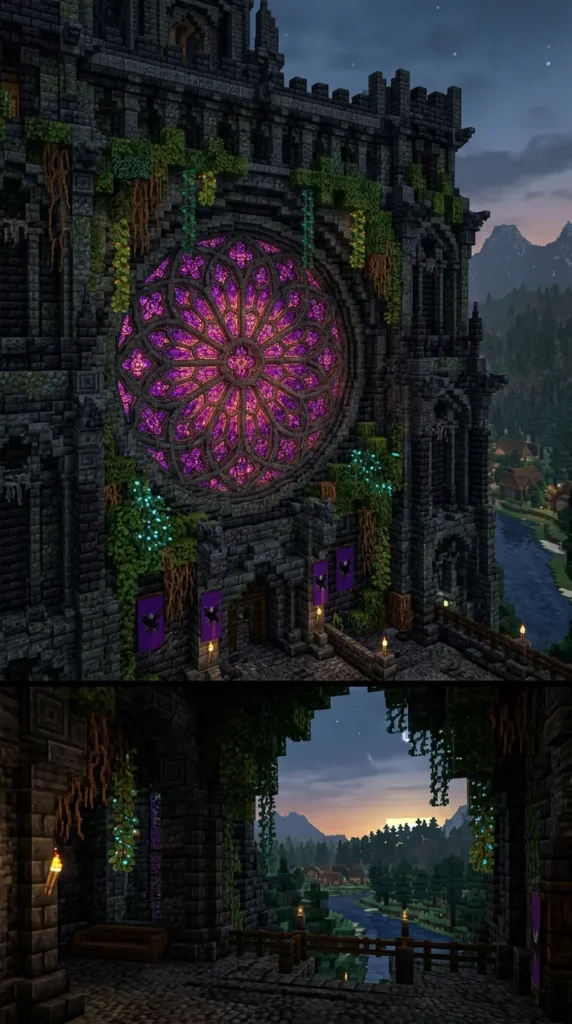
4. Rose Window Wall Bays with Hanging Roots
What This Idea Means
A grand castle wall segment featuring large circular stone tracery cutouts (Rose Windows) inset with dark stained glass, shrouded in hanging roots and creeping moss.
How to Make It
- Wall Panel: Construct an 11×11 square wall bay using deepslate bricks and tuff.
- Rose Window Cutout: Carve a 5×5 circular opening in the center using stairs and slabs, filling it with black, purple, or dark red stained glass.
- Overgrowth: Place rooted dirt and moss blocks above the window frame, allowing hanging roots and cave vines (with glow berries) to trail across the glass.
Tips & Variations
- Conceal sea lanterns behind the stained glass so the rose window glows dramatically at night.
- Frame the outer circular window edge with chiseled stone bricks for added detail.
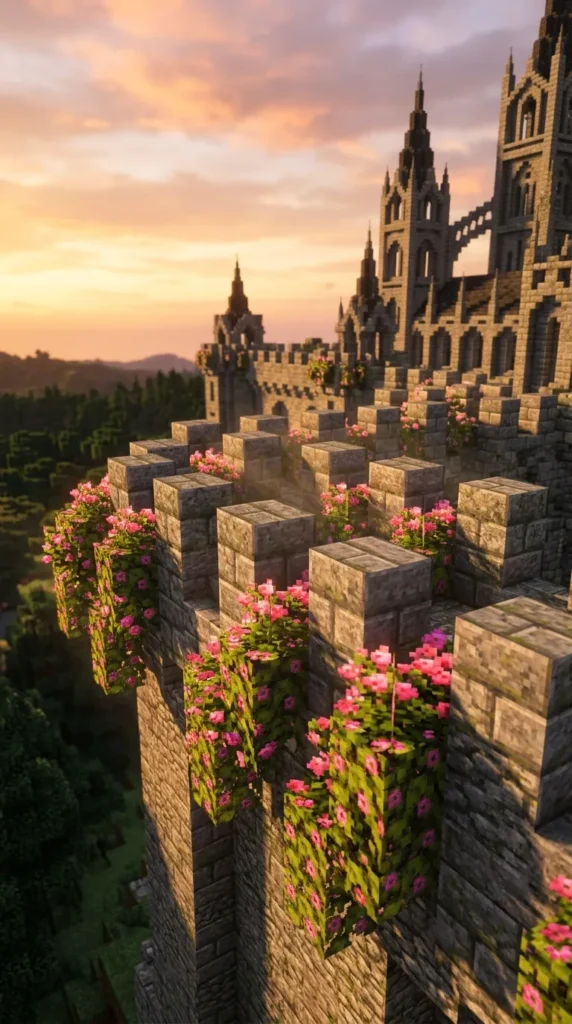
5. Crenellated Parapet Walls Overgrown with Azalea
What This Idea Means
Classic medieval castle wall tops (battlements with alternating merlons and embrasures) softened by lush, flowering azalea bushes bursting over the ramparts.
How to Make It
- Parapet Build: Cap your stone brick wall with an overhanging corbel layer using stone brick stairs. Build crenellations on top using stone brick walls and slabs.
- Foliage Integration: Replace portions of the upper walkways and merlon blocks with flowering azalea leaves, oak leaves, and moss blocks.
- Cascading Leaves: Drape leaf slabs down the exterior face of the wall to make the greenery look rooted in the stone parapets.
Tips & Variations
- Place small pink petal blocks on the walkway floor beneath the flowering azalea for fallen blossom details.
- Mount dark oak trapdoors along the front of the embrasures as functional wooden shutters.
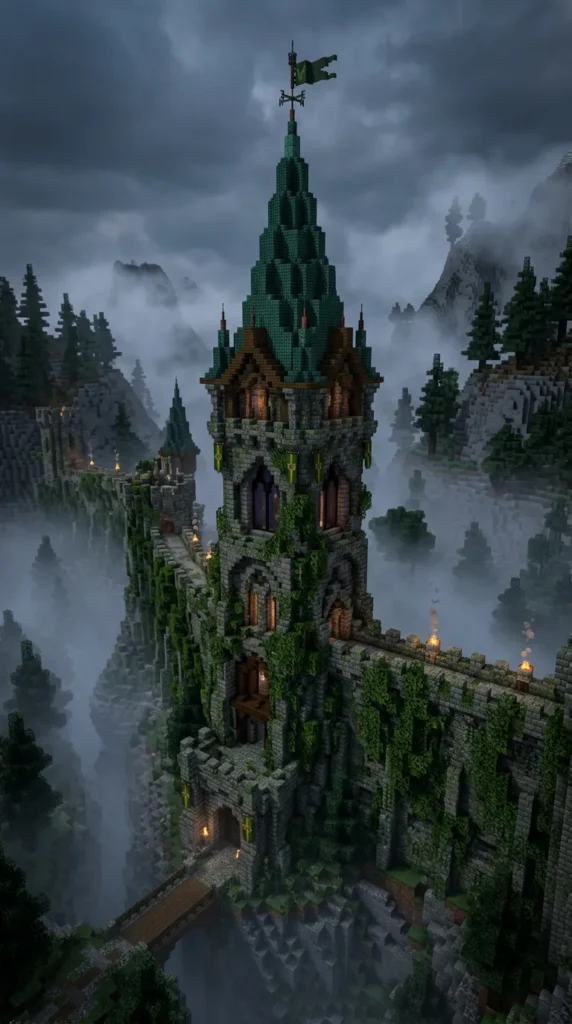
6. Spire-Crowned Wall Watchtowers Wrapped in Vines
What This Idea Means
Slender, octagonal Gothic watchtowers integrated directly into the castle wall corners, featuring tall pointed roofs (spires) engulfed in climbing ivy.
How to Make It
- Tower Structure: Build an 8-sided tower protruding outward from the wall line using mud bricks and cobbled deepslate.
- Spire Roof: Construct a steep, narrow roof tapering to a point using dark prismarine or deepslate tile stairs.
- Vining: Wrap natural vines and leaf blocks spiraling around the tower shaft from the ground all the way up to the roof spire.
Tips & Variations
- Install a soul campfire inside the open belfry arch to send blue smoke drifting out of the spire.
- Use pointed dripstone at the very tip of the spire for a sharp, needle-like crown finish.
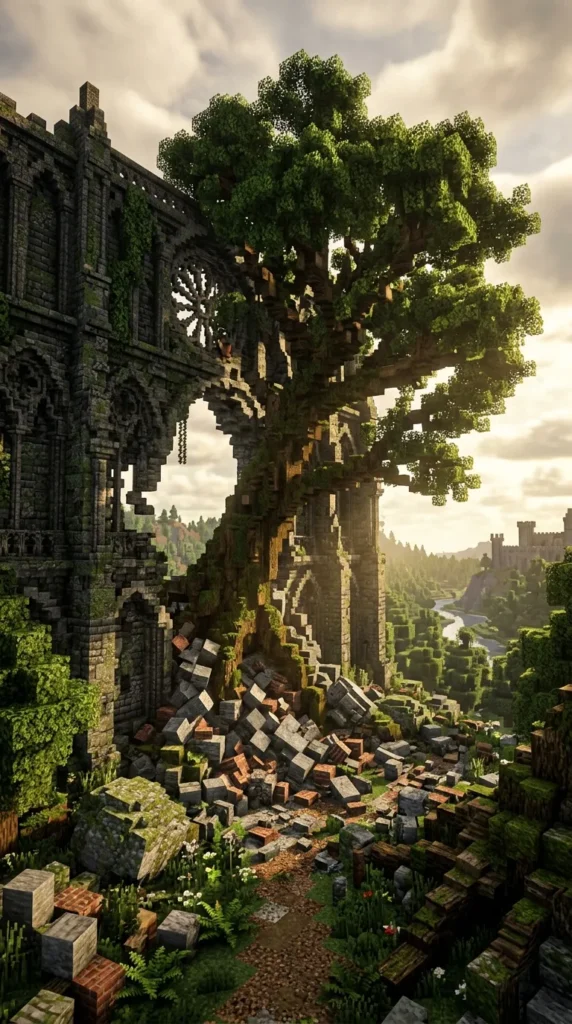
7. Ruined Gothic Wall Breach with Overgrown Tree
What This Idea Means
A storytelling design where a section of an ancient Gothic stone wall has partially collapsed, with a massive custom oak or willow tree growing directly out of the broken stonework.
How to Make It
- Wall Degradation: Build a complete wall, then selectively remove blocks in a V-shape down the middle, replacing smooth blocks with cracked and mossy variants.
- Debris Field: Scatter mossy cobblestone, stone slabs, and coarse dirt at the base of the breach to mimic fallen rubble.
- Custom Tree: Build a custom trunk out of oak wood weaving through the broken wall gap, extending a full leafy canopy over both sides of the wall.
Tips & Variations
- Weave mangrove roots into the stone foundations to make it look like the tree roots cracked the wall open over time.
- Add a small trickling water spring bursting out from the broken wall rubble.
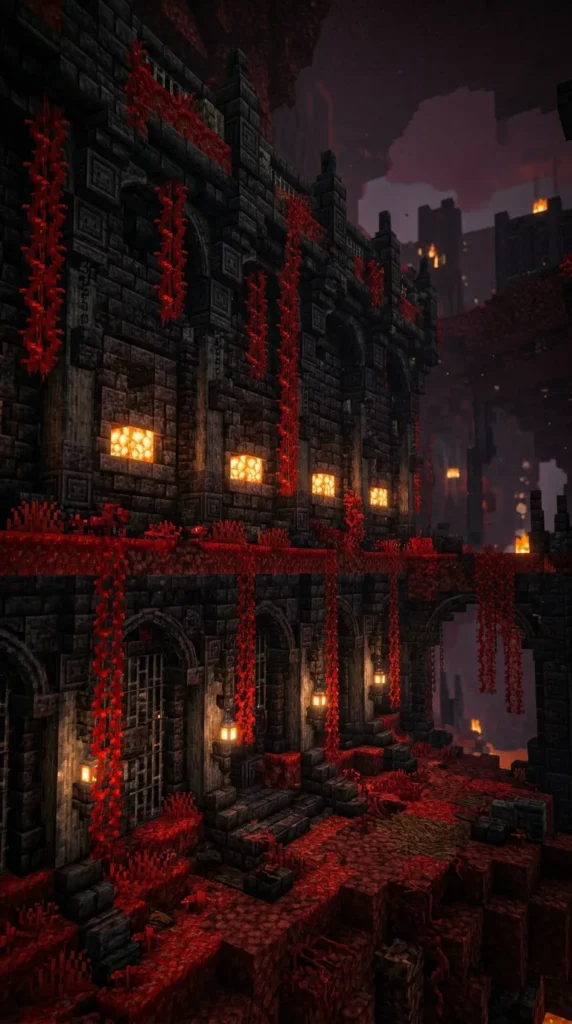
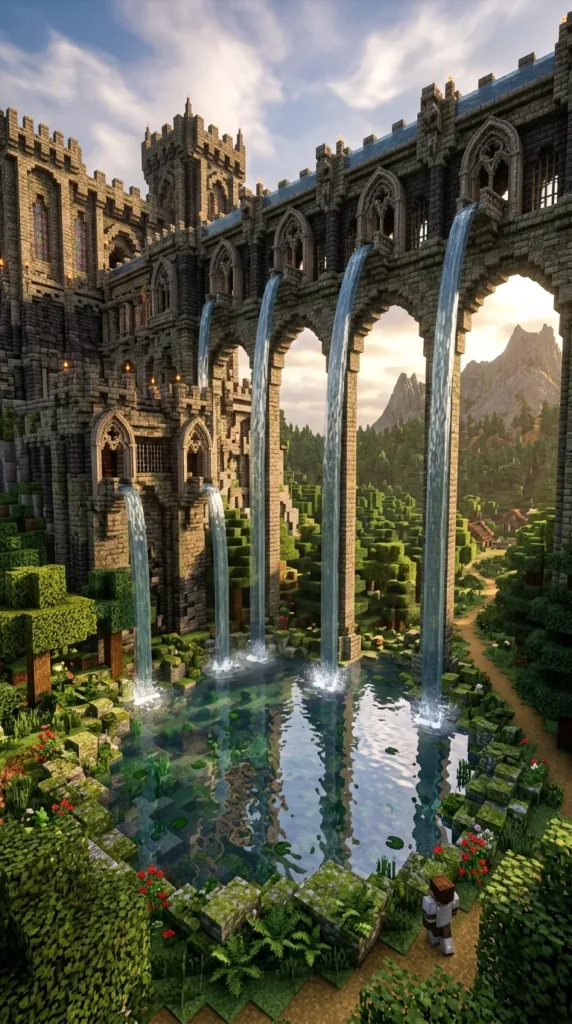
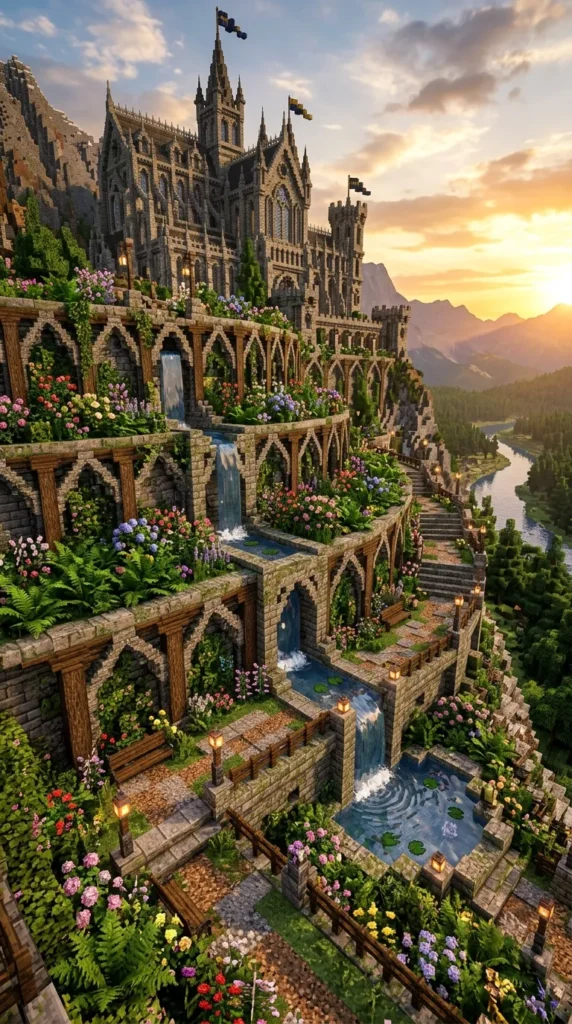
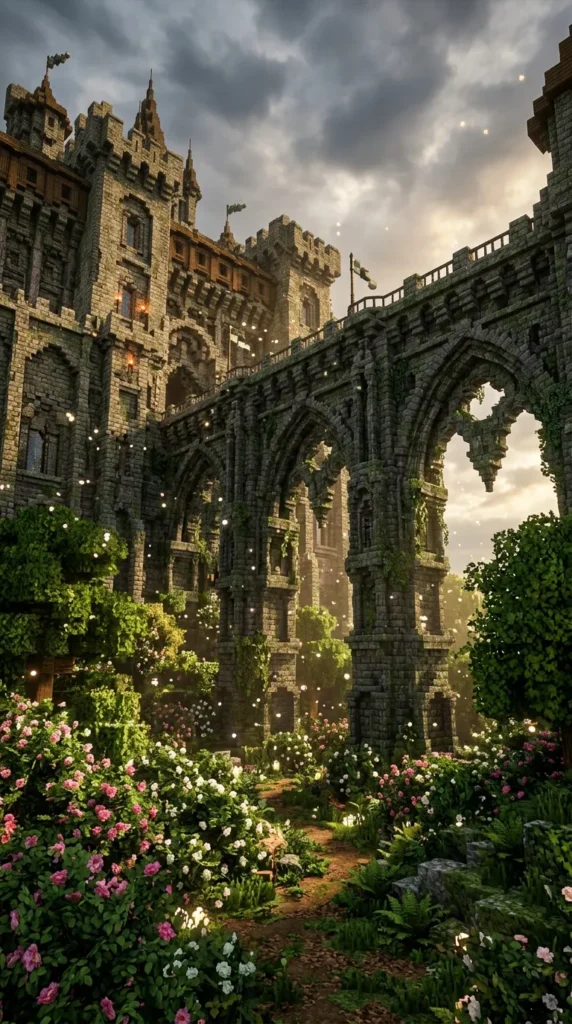
8. Gothic Arch Aqueduct Wall Segment
What This Idea Means
A multi-tiered castle boundary wall that doubles as a monumental Gothic aqueduct, featuring water cascading from pointed arch spouts into lush, mossy pools below.
How to Make It
- Tiered Arches: Build a two-story wall featuring large pointed arches on the lower level and smaller lancet arches on the upper level using stone bricks and deepslate.
- Water Channel: Construct a water channel along the top walkway lined with smooth basalt.
- Spouts: Carve small openings in the center of the upper arches using stair blocks and let water spill down the front of the wall into a moss-lined trench.
Tips & Variations
- Plant sea pickles and lily pads in the receiving water trench along the wall base.
- Use glow lichen along the wet stone blocks to simulate bioluminescent moss.
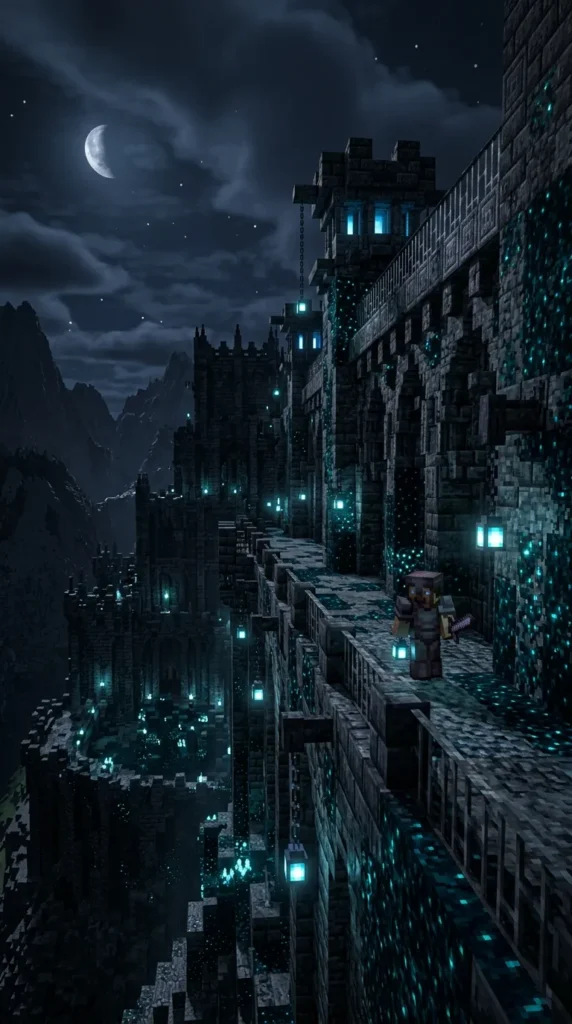
9. Sculk-Infested Deepslate Dungeon Ramparts
What This Idea Means
A dark, corrupted Gothic wall where deepslate architecture is slowly being overtaken by mysterious, glowing sculk veins and catalyst growths.
How to Make It
- Wall Base: Build an intimidating fortress wall out of polished deepslate, deepslate tiles, and blackstone.
- Sculk Placement: Replace lower foundation blocks and wall crevices with sculk blocks, sculk veining, and sculk catalysts.
- Lighting: Integrate sculk shriekers and sensors inside wall niches to create subtle, pulsing dark-cyan light sources.
Tips & Variations
- Combine sculk with weeping obsidian to create an eerie, corrupted magic aesthetic.
- Use soul lanterns nearby to match the dark cyan color palette of the sculk.
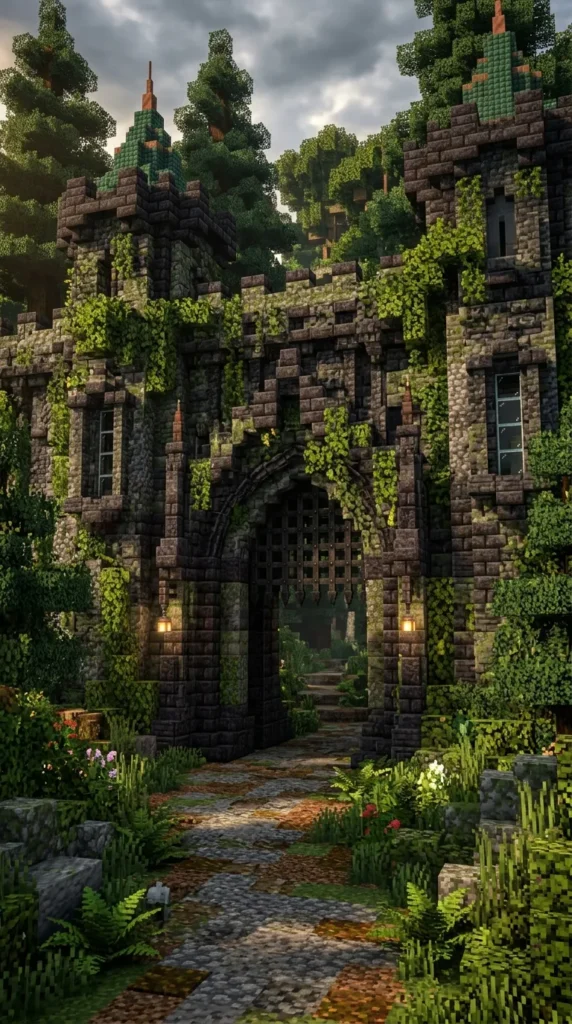
10. Gothic Iron Gatehouse Wall with Overgrown Portcullis
What This Idea Means
A fortified central entrance wall featuring a heavy iron portcullis gate framed by pointed stone arches, half-buried under creeping vines and hanging foliage.
How to Make It
- Gate Frame: Construct a thick 9-block wide gate arch using polished blackstone bricks, creating a pointed Gothic archway in the center.
- Portcullis: Build a half-open grid iron gate using iron bars, dark oak fences, and chain blocks suspended from the upper wall.
- Vegetation Cover: Drape leaves, vines, and glow berry vines over the gate mechanism and upper ramparts.
Tips & Variations
- Add armor stands dressed in iron armor behind the portcullis bars to look like ancient skeletal guards.
- Use mud brick walls around the gate base to simulate damp, mud-splattered stone.
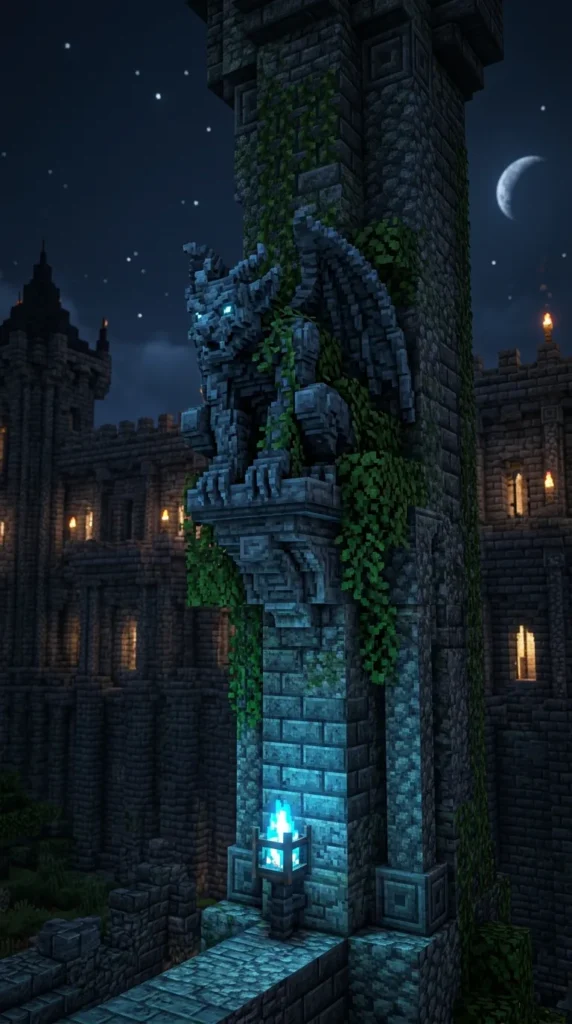
11. Gargoyle-Guarded Wall Pier Modules
What This Idea Means
Regularly spaced wall columns featuring custom block-built gargoyle statues perched on stone corbels, framed by trailing ivy and moss.
How to Make It
- Columns: Extend 3×3 stone brick pillars outward from the main wall face every 8 blocks.
- Corbel Pedestal: Place chiseled stone bricks and inverted stairs at the top of the columns to create protruding balconies.
- Gargoyles: Sculpt crouched gargoyle figures atop the corbels using deepslate stairs, walls, and dragon heads or wither skeleton skulls.
- Overgrowth: Wrap vines around the columns, leaving the gargoyle statues clear to stare outward.
Tips & Variations
- Insert soul torches in front of the gargoyle pedestals to cast dramatic upward shadows onto the statues at night.
- Mix mossy cobble walls into the gargoyle wings for an aged stone look.
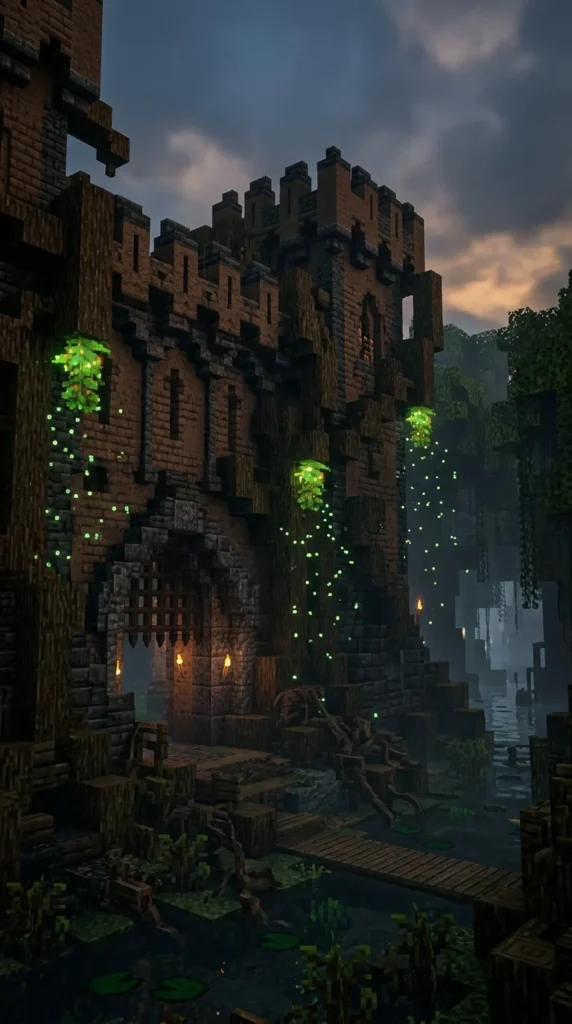
12. Mangrove-Entwined Mud Brick Gothic Wall
What This Idea Means
A warm, atmospheric variation designed for swamp or jungle biomes, featuring mud brick Gothic arches entangled with massive mangrove root systems.
How to Make It
- Wall Palette: Build wall panels using mud bricks, packed mud, and granite for a warm, earthy stone texture.
- Gothic Framing: Detail archway borders using deepslate or polished granite stairs.
- Root Integration: Weave mangrove roots and mud blocks aggressively across the wall face, creating archways made entirely of organic wood and stone.
Tips & Variations
- Hang moss blocks and spore blossoms from the upper archways to release green atmospheric particles.
- Place leaf carpets along the base for a seamless transition into the surrounding swamp floor.
13. Double-Layered Gothic Gallery Wall with Hanging Gardens
What This Idea Means
A thick, hollow fortress wall containing an inner covered walking gallery lined with Gothic pointed windows, featuring hanging planter boxes bursting with foliage.
How to Make It
- Structure: Build two parallel 3-block-thick stone brick walls spaced 3 blocks apart, connected at the top with cross-vaulted ceiling arches.
- Windows: Cut tall lancet windows along the exterior wall layer using stair blocks.
- Planters: Place spruce trapdoor planters filled with moss, azalea leaves, and flowering plants inside every window recess.
Tips & Variations
- Place lanterns inside the internal gallery corridor so soft light beams shine through the lancet windows and foliage at night.
- Line the interior floor with dark oak slabs for a polished, grand interior walkway.
14. Blackstone Crypt Wall with Nether Vegetation
What This Idea Means
A sinister, mausoleum-inspired castle boundary constructed from polished blackstone tiles, overgrown with crimson fungi, weeping vines, and soul soil.
How to Make It
- Wall Construction: Build high, imposing wall segments using polished blackstone bricks, chiseled blackstone, and basalt columns.
- Nether Flora: Integrate crimson nylium, crimson roots, and shroomlights at the base and in wall alcoves.
- Vine Layering: Hang long weeping vines from the upper blackstone corbels down to the ground level.
Tips & Variations
- Place soul campfires inside wall niches covered by iron trapdoors for moody blue lighting.
- Scatter nether wart blocks along the ramparts to simulate crimson moss patches.
15. Gothic Cathedral Wall Segments with Flying Buttresses
What This Idea Means
A monumental wall design modeled after cathedral outer walls, featuring high pointed windows, slender pinnacles, and intricate double-tiered flying buttresses wrapped in ivy.
How to Make It
- High Wall: Build a 16-block-tall wall out of tuff, stone bricks, and deepslate.
- Double Buttresses: Erect two levels of diagonal arched buttresses extending 6 blocks outward from the wall line into ground pillars.
- Pinnacles: Top every exterior buttress pillar with a sharp stone spire (pinnacle).
- Vegetation: Cover the lower buttress legs in oak leaf blocks, moss, and natural vines.
Tips & Variations
- Fill the upper wall spaces with tall stained-glass lancet windows for royal cathedral flair.
- Use smooth basalt for the curved buttress beams to mimic smooth cut stone.
16. Overgrown Moat Wall with Submerged Arches
What This Idea Means
A castle perimeter wall built directly inside a wide water moat, featuring submerged pointed arch alcoves filled with glowing aquatic plants and sea pickles.
How to Make It
- Waterline Build: Construct the lower 4 blocks of the wall underwater using mossy stone bricks and dark prismarine.
- Submerged Alcoves: Carve recessed archways underwater along the wall face.
- Aquatic Foliage: Decorate the submerged alcoves with sea pickles, kelp, seagrass, and glow lichen.
- Upper Wall: Transition to standard stone bricks and vines above the water line.
Tips & Variations
- Conceal sea lanterns behind dark prismarine stairs inside the underwater alcoves for a gentle aquatic glow.
- Add lily pads and drip-leaf plants along the water surface where the wall meets the moat.
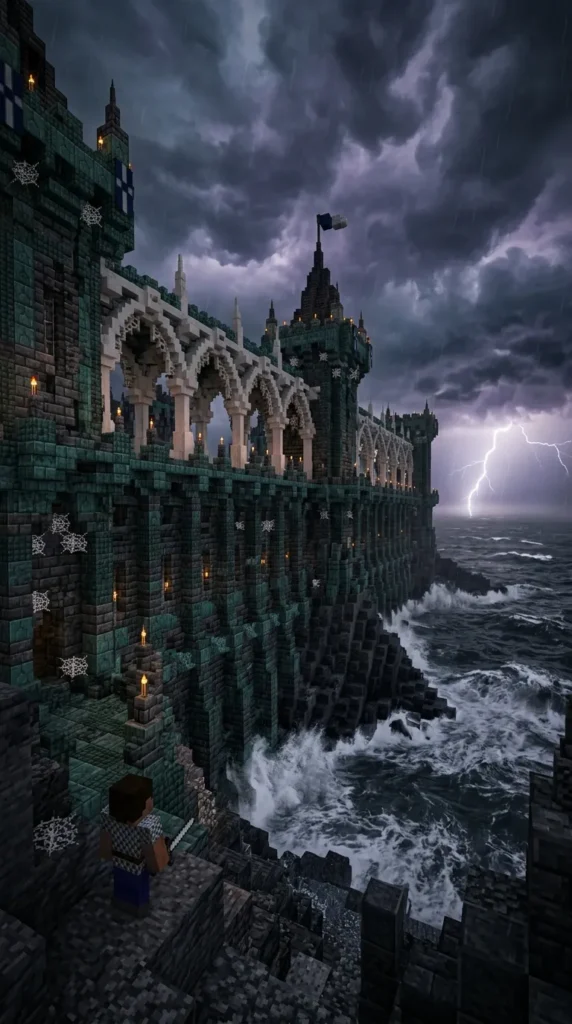
17. Withered Bones & Dark Prismarine Seawall
What This Idea Means
A coastal Gothic castle wall combining dark prismarine blocks with bone blocks and cobwebs, creating an ancient, ocean-weathered fortress barrier.
How to Make It
- Wall Core: Build a heavy coastal wall using dark prismarine, prismarine bricks, and cobbled deepslate.
- Bone Ribs: Inlay skeletal arch ribs along the wall face using bone blocks and quartz stairs.
- Weathering: Place cobwebs, glow lichen, and moss blocks in corners where sea spray would collect.
Tips & Variations
- The subtle color-changing nature of dark prismarine provides a stunning dynamic texture under rain.
- Add iron bars along the lower waterline to look like drainage grates.
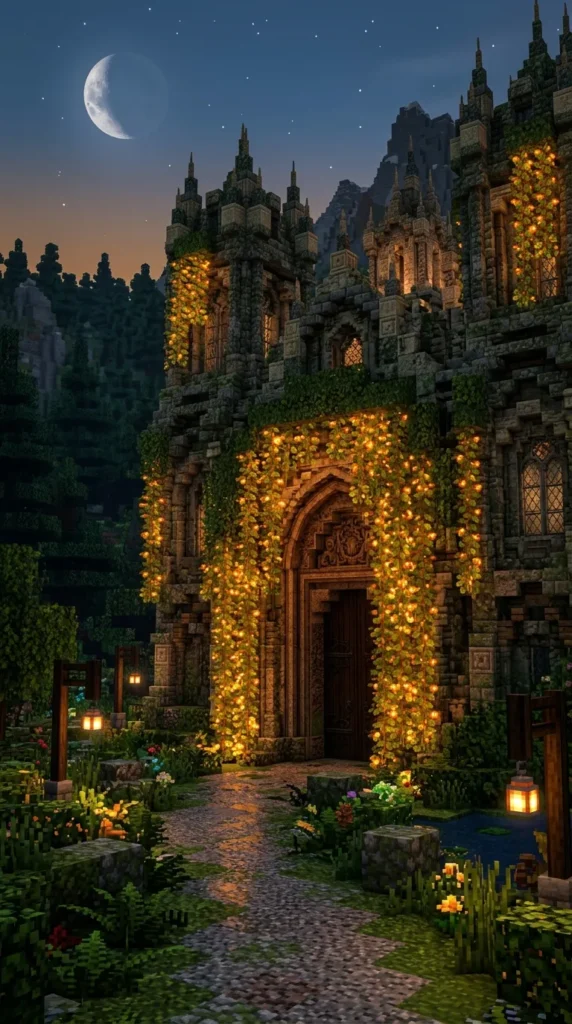
18. Hanging Glow-Berry Cave Vine Monastery Wall
What This Idea Means
A romantic, curtained Gothic wall covered in dense cave vines that drop glowing yellow-orange berries, illuminating the dark stone in a warm halo light.
How to Make It
- Wall Texture: Build an elegant wall using a blend of tuff, mud bricks, and mossy stone bricks.
- Vine Installation: Place cave vines along the upper wall ledge and use bonemeal to grow them downward toward the ground.
- Berry Balance: Ensure plenty of glow berries populate the vines to provide natural, warm ambient lighting across the wall face.
Tips & Variations
- Place moss carpet and small drip-leaf plants along the ground directly beneath the glowing berries.
- Keep the wall architecture simple so the hanging glowing vines remain the main visual focus.
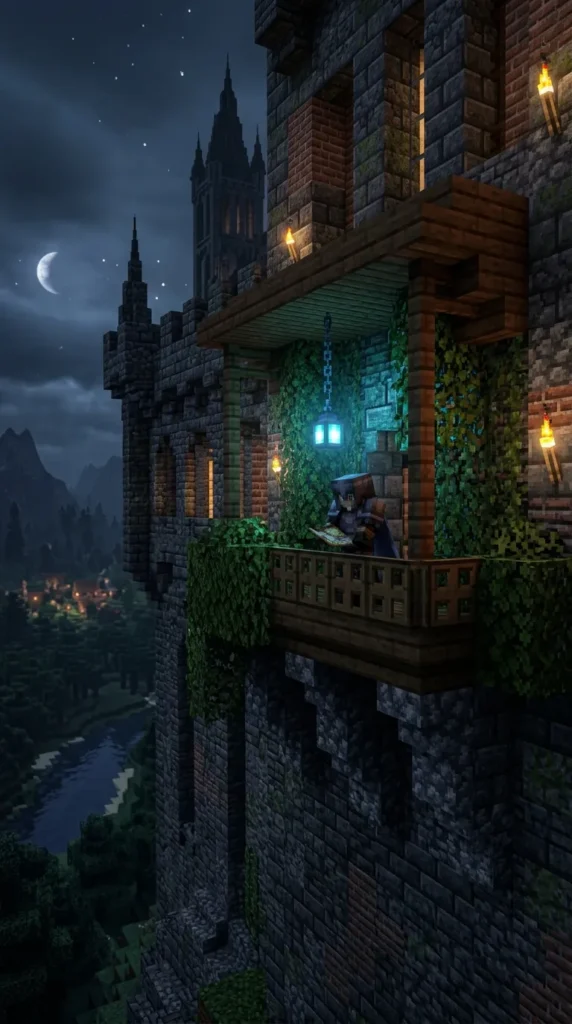
19. Gothic Wall Mooring Post & Ivy Balcony
What This Idea Means
A functional wall module featuring protruding stone balconies supported by heavy corbels, draped in ivy, with lower mooring points for boats or mounts.
How to Make It
- Balcony Support: Build large stone corbels jutting 3 blocks out from the wall face using deepslate tile stairs.
- Balcony Floor: Floor the balcony with spruce trapdoors and surround it with mossy stone brick walls.
- Overgrowth: Wrap vines from the ground up around the support corbels, weaving through the balcony railing.
Tips & Variations
- Suspend a soul lantern from the underside of the balcony using iron chains.
- Attach lead hitches to fence posts at the base for securing horses or boats.
20. Ancient Terraced Wall Gardens with Gothic Arches
What This Idea Means
A massive, multi-tiered castle wall system incorporating built-in stepped garden terraces framed by Gothic pointed arch retaining walls.
How to Make It
- Terrace Tiers: Build three stepped wall levels retreating backward, each 5 blocks high, using stone bricks and cobbled deepslate.
- Arch Retainers: Detail each terrace front with repeating pointed lancet arch reliefs.
- Stepped Gardens: Fill the terrace steps with coarse dirt, moss blocks, flowering azaleas, ferns, and tall flowers.
Tips & Variations
- Run small water streams down central stone stair channels from the top terrace to the bottom.
- Place dark oak benches and lanterns on the terrace walkways for a livable, palace-garden atmosphere.






Block Palette & Style Summary Matrix
| Idea # | Wall Idea Name | Primary Stone Palette | Primary Vegetation / Accent | Build Complexity |
| 1 | Deepslate Lancet Arch Wall | Polished Deepslate, Deepslate Bricks | Natural Vines, Glow Lichen | Intermediate |
| 2 | Sunken Mossy Buttress Wall | Stone Bricks, Mossy Stone Bricks | Azalea Leaves, Spore Blossoms | Intermediate |
| 3 | Crying Obsidian Curtain Wall | Polished Basalt, Crying Obsidian | Weeping Vines, Nether Wart | Advanced |
| 4 | Rose Window Wall Bays | Deepslate Bricks, Tuff, Stained Glass | Hanging Roots, Cave Vines | Advanced |
| 5 | Overgrown Azalea Parapets | Stone Bricks, Cracked Stone Bricks | Flowering Azalea, Pink Petals | Beginner |
| 6 | Spire-Crowned Watchtowers | Mud Bricks, Dark Prismarine | Climbing Ivy, Leaf Blocks | Intermediate |
| 7 | Ruined Wall Breach with Tree | Mossy Cobblestone, Stone Slabs | Custom Oak Tree, Mangrove Roots | Advanced |
| 8 | Gothic Arch Aqueduct Wall | Stone Bricks, Deepslate, Basalt | Water Streams, Sea Pickles | Advanced |
| 9 | Sculk-Infested Dungeon Ramparts | Polished Deepslate, Blackstone | Sculk Veins, Sculk Catalysts | Intermediate |
| 10 | Overgrown Iron Gatehouse Wall | Polished Blackstone Bricks, Iron Bars | Creeping Vines, Leaf Blocks | Intermediate |
| 11 | Gargoyle-Guarded Wall Piers | Stone Bricks, Deepslate | Vines, Dragon Heads / Skulls | Advanced |
| 12 | Mangrove-Entwined Mud Wall | Mud Bricks, Packed Mud, Granite | Mangrove Roots, Spore Blossoms | Intermediate |
| 13 | Double Gallery Wall with Gardens | Stone Bricks, Dark Oak | Azalea Leaves, Trapdoor Planters | Advanced |
| 14 | Blackstone Crypt Wall | Polished Blackstone, Basalt | Crimson Nylium, Weeping Vines | Intermediate |
| 15 | Cathedral Wall with Buttresses | Tuff, Stone Bricks, Smooth Basalt | Oak Leaves, Moss Blocks | Advanced |
| 16 | Overgrown Moat Water Wall | Mossy Stone Bricks, Dark Prismarine | Sea Pickles, Kelp, Glow Lichen | Intermediate |
| 17 | Withered Bones & Prismarine Wall | Dark Prismarine, Bone Blocks | Cobwebs, Glow Lichen | Intermediate |
| 18 | Hanging Glow-Berry Monastery Wall | Tuff, Mud Bricks, Mossy Stone | Cave Vines with Glow Berries | Beginner |
| 19 | Wall Mooring Post & Ivy Balcony | Deepslate Tiles, Spruce Wood | Natural Vines, Leaf Blocks | Beginner |
| 20 | Terraced Wall Gardens with Arches | Stone Bricks, Cobbled Deepslate | Moss Blocks, Ferns, Azaleas |